

7 Ways to Build Confidence in Our Children
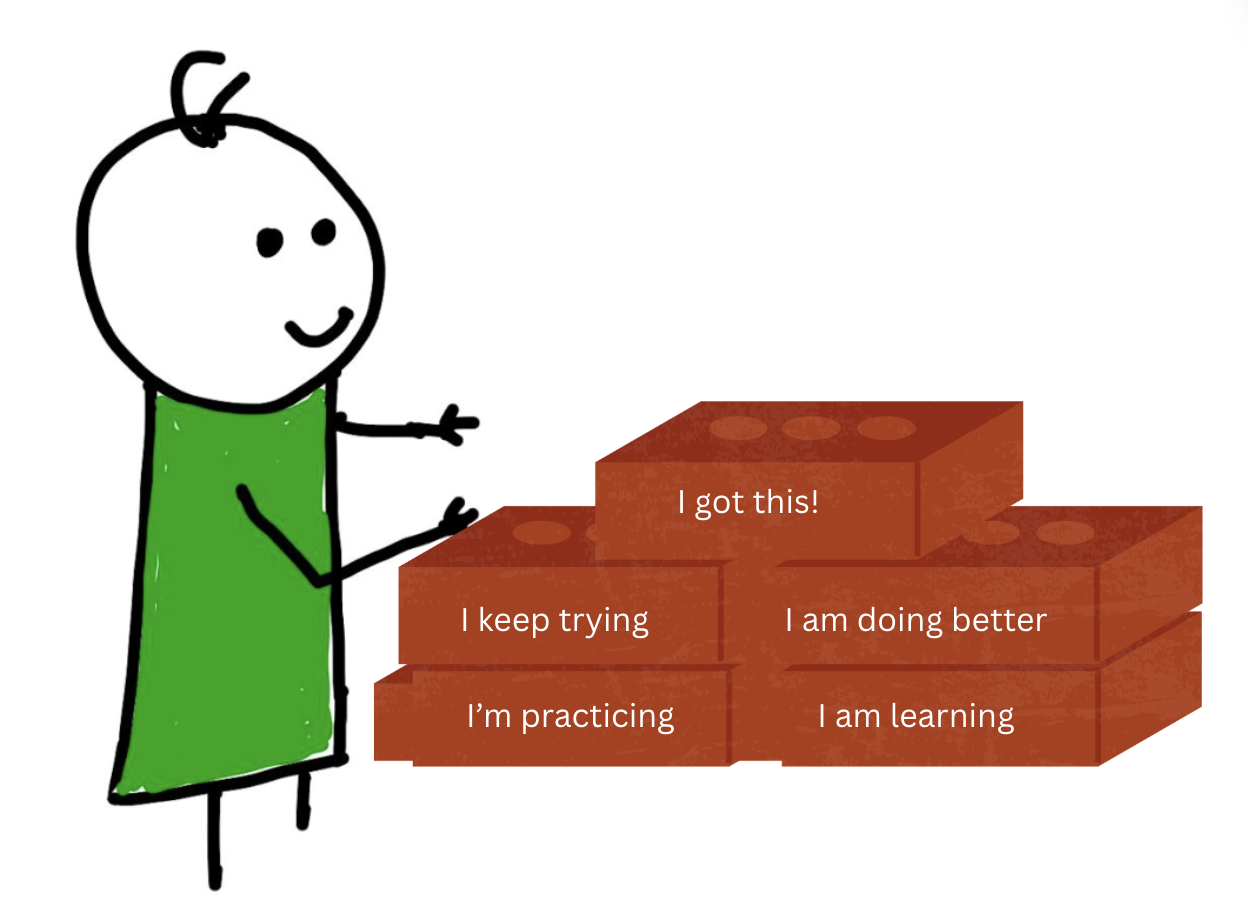
(One Brick, One Thought, One Win at a Time)
Have you ever watched your child hesitate before raising their hand in class, freeze up at a piano recital, or decide not to try out for the team because “they’ll never make it”?
It’s tough to see, especially because we know what they’re capable of.
Confidence doesn’t always come naturally, but here’s the good news: it’s not something they’re born with, it’s something they build.
Confidence is like a brick house (remember The Three Little Pigs?). The kids who build with straw (fragile self-esteem or constant comparison) crumble at the first gust of doubt. But the ones who build with bricks? They stand tall, even when life huffs and puffs.
So how do we teach our kids to build with bricks? One brick at a time.
1. Spotlight Their Strengths (Not Just Their Scores)
Confidence starts with noticing — really noticing — what our kids do well.
And I don’t mean grades, trophies, or gold stars. I mean their kindness. Their curiosity. Their stick-with-it-ness when a puzzle gets tough.
Imagine your mind as a stage. On that stage are all your thoughts.
Some are confident — “I can do this,” “I’ve got this.”
Others whisper doubt — “I’m going to fail,” “I can’t.”
Now, picture a giant spotlight on that stage. You get to choose which thoughts step into the light. Shine it on your confident ones, and leave the others waiting in the wings.
You can do the same for your child by spotlighting their strengths. Let those become the “actors” on the stage of their mind.
Try this:
Praise specific strengths: “You kept going even when that was hard. That shows perseverance.”
Use earshot praise: Let them overhear you bragging to Grandma or a neighbor: “She’s so thoughtful. She always checks on her friends.”
Use nouns, not verbs: “You’re a helper.” “You’re a problem-solver.” (Nouns shape identity.)
Create a ‘Strength Spotlight Board’: Let every family member add their wins of the week.
Make strengths visible: If your child loves drawing, hang their artwork or name them “Family Artist of the Week.”
I’ll never forget my son coming home from his first track practice, grinning ear to ear.
“Mom,” he said, “I’m a runner!”
The funny thing? If I’d asked him to go for a jog the week before, he would’ve said I was nuts. But the moment he declared that identity — that’s who he became.
When children start to see themselves the way you see them, they begin laying the first solid bricks in their wall of confidence.
Related post: Celebrating Our Children: Embracing Successes, Failures, and Everyday Joys
2. Help Them Set (and Celebrate) Realistic Goals
Confidence doesn’t come from winning. It comes from trying.
Encourage your child to set small, doable goals and celebrate every step along the way.
That could mean running one more lap at soccer practice, finishing a tricky math worksheet, or speaking up in class just once this week.
Each small win is a confidence deposit.
Try this:
Create a “Win List” where they jot down (or draw) their daily wins.
End the week by reviewing the list together and celebrating progress.
Even better? Write your own. Kids who see you celebrating small wins learn that growth matters more than perfection.
Related post:You Need to Have A Goal if You Want to Score
3. Get Them into the “Uncomfort Zone”
We tend to want to protect our kids from discomfort, but that’s where the real growth happens.
Confidence isn’t built in the comfort zone; it’s forged in the moments that make their stomachs flutter a bit.
Encourage them to do things that feel slightly scary but safe, like trying a new activity, joining a club where they don’t know anyone, or ordering food themselves at a restaurant.
Try this:
Reframe “nervous” as “excited.” Same feeling, different label.
Say, “That’s your confidence growing!” whenever they do something brave.
When your child hesitates to join a new club, remind them, “The first time always feels weird. That’s just your confidence growing.”
Related post:Growing Pains: How to Teach Kids to be Comfortable in the Uncomfort Zone
4. Increase Their Failure Tolerance
Here’s one of the biggest secrets to raising confident kids: confidence isn’t built by success — it’s built by surviving failure.
When we normalize mistakes, we teach kids that failure equals feedback.
Let them mess up, talk about what they learned, and remind them of times they failed before and bounced back.
Try this:
Ask after a setback: “What’s one thing you learned?”
Celebrate perseverance: “You didn’t quit. That’s what matters most.”
Point out the arc: “Remember how you couldn’t ride your bike last summer? Look at you now.”
Related post:Failing Forward: Teaching Kids to Move Forward in the Face of Challenges
5. Help Them Identify with Their Future Self
Kids don’t grow confidence by pretending to be someone else. They grow it by seeing themselves as the person they’re becoming.
If your child says, “I play soccer,” try rephrasing it as “You’re a soccer player.” That subtle shift changes the way they think about themselves.
It’s not about performing a skill; it’s about being the kind of person who practices, tries, and shows up.
Try this:
Ask: “What does your Future Self look like when she’s doing this confidently?”
Have them visualize it — posture, expression, thoughts — and step into that version of themselves before they act.
Related post:Who Do You Want to Be? Helping Your Child Imagine Their Future Self
6. Foster a Growth Mindset
Confidence grows best when kids believe they can grow. Remind them that skills are like muscles. They strengthen with practice.
Try this:
Praise effort, not talent: “You worked hard on that,” instead of “You’re so smart.”
Reframe “I can’t” to “I can’t yet.”
Tell stories of people who failed first (J.K. Rowling, Michael Jordan, Walt Disney). Then ask what they learned from failure.
In Carol Dweck’s book on growth mindsetMindset: The New Psychology of Success, she explains that confidence grows from effort, not innate talent.
Related post:Failing Forward: Teaching Kids to Move Forward in the Face of Challenges
7. Encourage Independence and Exploration
It’s tempting to swoop in and smooth the path for our kids, but doing too much can quietly chip away at their confidence.
This one’s tough for me. I constantly have to stop myself from helping my kids with something. It feels like a natural reflex I’ve had to retrain.
But every time our kids problem-solve, make a decision, or recover from a small mistake, they’re building something powerful: self-trust.
Encourage them to explore new activities, follow their curiosities, and notice when they’re “in the zone” — that magical state of flow where time disappears and they’re fully absorbed in what they love.
Try this:
Let them pack their own lunch or plan a weekend activity.
Notice when they’re lit up and focused. Then create more space for that.
Instead of fixing, ask: “What do you think you could try next?”
Confidence doesn’t grow in comfort. It grows in small moments of doing, deciding, and discovering.
Final Thought: The Brick House of Confidence
Confidence doesn’t happen overnight. It’s built, one experience at a time.
Each moment your child believes they can do hard things, faces a fear, or celebrates a small win, they’re laying another brick in their foundation.
True confidence isn’t about seeking approval — it’s about self-belief.
Unfortunately, today’s kids often measure their worth in likes and follows. We don’t want them to grow up relying on that external approval or confusing popularity with value.
Because confidence isn’t thinking everyone will like you.
It’s not caring if they do or not.
When we raise kids who can manage their minds (who can handle failure, self-doubt, and the opinions of others), they build something far stronger than confidence.
They build inner stability.
And that’s what keeps the house standing when life gets windy.

Challenge: The Confidence Jar:
Keep a jar in your kitchen labeled “Confidence Bricks.”
Each time your child does something brave, kind, or persistent, write it down and drop a LEGO brick in the jar.
At the end of the month, read the list together. Then use the bricks to build their “confidence house,” one brick at a time.